C-Section vs. Vaginal Birth Recovery: What Families Need to Know
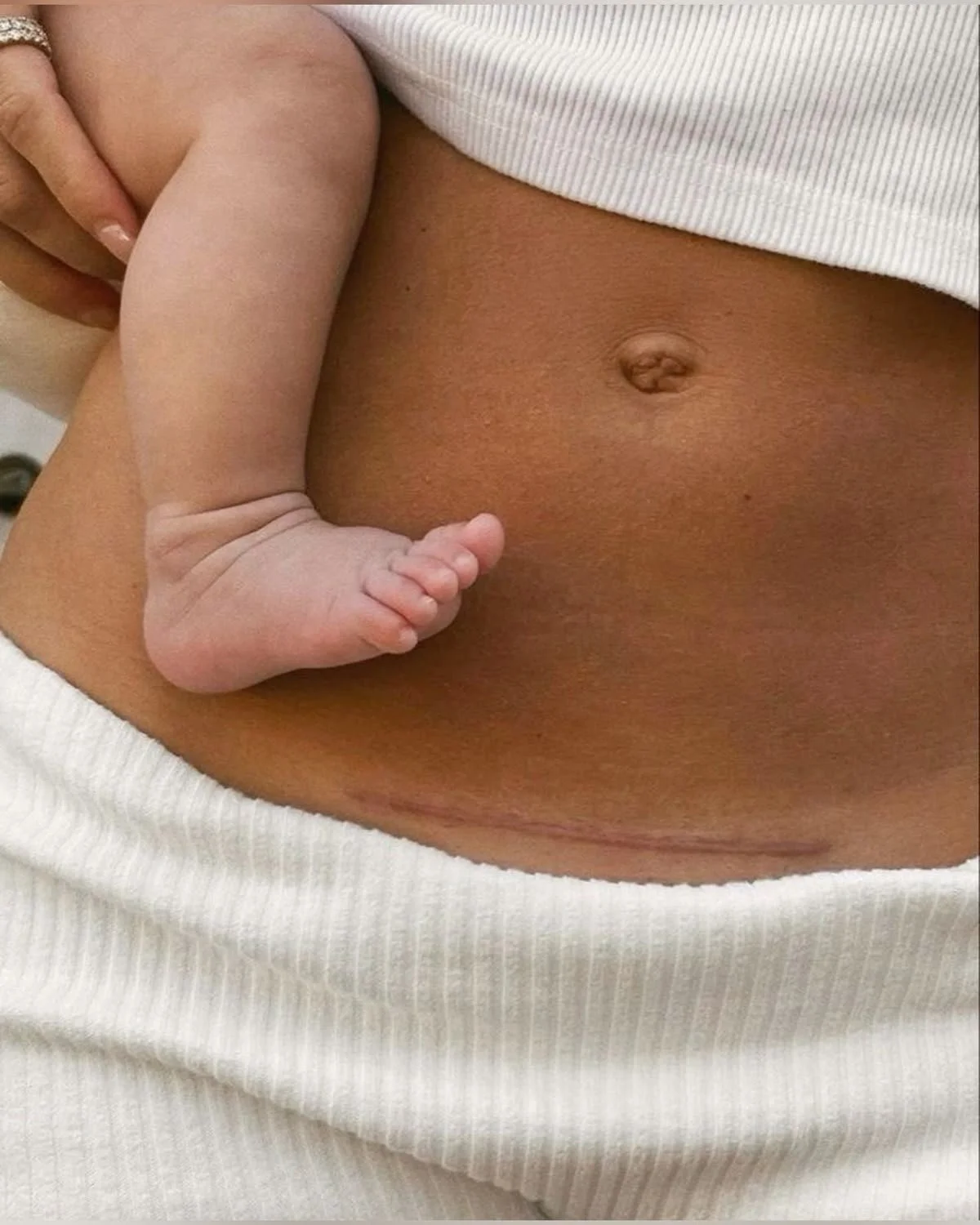
Every birth is extraordinary — but every recovery is unique. Whether your baby arrives via a planned caesarean section or vaginal birth, understanding what your body needs in the weeks that follow is key to a confident and supported recovery.
At NŪMA & Co, we believe every mother deserves personalised, expert-led care after birth. Here, we explore the main differences between C-section and vaginal birth recovery, and how families can best support the healing process.
1. Understanding the Physical Recovery
After a C-Section
A caesarean section is a major surgical procedure involving several layers of tissue — skin, muscle, and uterus. As such, recovery often takes longer and requires additional attention to wound care and core stability.
What to Expect:
Discomfort and tenderness around the incision site for several weeks.
Limited mobility in the early days, particularly when getting up, bending, or lifting.
Swelling and bloating due to fluid retention and post-surgery changes.
Numbness or sensitivity near the scar as nerves heal.
Healing Tips:
Keep the incision clean and dry, following your clinician’s guidance.
Use a gentle abdominal support (with your clinician’s approval) to ease discomfort and support posture.
Gradually increase movement — gentle walking helps circulation, prevents blood clots, and boosts recovery.
Avoid lifting anything heavier than your baby for the first few weeks.
Focus on breathing exercises and gentle core reconnection before returning to structured exercise.
When to Seek Medical Advice:
Contact your healthcare provider if you experience redness, discharge, or increased pain around the incision, as this could indicate infection.
After a Vaginal Birth
A vaginal delivery is not without recovery demands. While it doesn’t involve surgery, the body undergoes intense stretching and hormonal shifts that require time and care to heal.
What to Expect:
Perineal soreness or discomfort, particularly if stitches or a tear occurred.
Vaginal bleeding (lochia) for up to six weeks, gradually changing in colour and flow.
Pelvic heaviness or pressure, especially when standing for long periods.
Urinary leakage or urgency as the pelvic floor adjusts.
Healing Tips:
Use warm compresses or sitz baths to soothe the perineal area and promote blood flow.
Practice gentle pelvic floor exercises (once cleared by your clinician) to restore tone and strength.
Rest frequently, avoid prolonged standing, and lie on your side when feeding to relieve pelvic pressure.
Stay hydrated and eat fibre-rich foods to prevent constipation and straining.
When to Seek Medical Advice:
If you experience severe pain, excessive bleeding, or signs of infection, reach out to your healthcare provider promptly.
2. Hormonal and Emotional Recovery
The hormonal landscape after birth changes rapidly. Levels of oestrogen and progesterone drop dramatically, while oxytocin and prolactin rise to support bonding and breastfeeding. These shifts, coupled with exhaustion and the emotional intensity of new parenthood, can deeply affect mood and energy.
What to Expect:
The “baby blues” (tearfulness, irritability, anxiety) are common in the first week.
Some mothers experience postnatal mood disorders such as depression or anxiety — these deserve compassionate, professional support.
Hormonal fluctuations can affect sleep, appetite, and emotional resilience.
How Families Can Help:
Create a calm, supportive environment — reduce pressure, encourage rest.
Offer emotional space for the mother to share how she feels without judgement.
Encourage her to accept help — recovery is not a solo journey.
At NŪMA & Co, we integrate maternal wellbeing support into every care plan, ensuring emotional recovery is valued as highly as physical healing.
3. Pelvic Floor and Core Rehabilitation
Whether you had a C-section or vaginal birth, your pelvic floor and core have undergone significant changes. Proper assessment and rehabilitation are key to long-term strength, posture, and confidence.
C-Section Recovery Focus:
The abdominal wall is disrupted during surgery, which can affect deep core muscle activation.
Gentle breathing and scar mobilisation techniques (guided by a specialist) can restore movement and reduce adhesions.
A pelvic health physiotherapist can help rebuild deep abdominal connection and prevent compensatory strain in the back or hips.
Vaginal Birth Recovery Focus:
The pelvic floor may be stretched or weakened, leading to symptoms like heaviness or leakage.
Tailored pelvic floor exercises, guided by a professional, are essential to restore control and function.
Early assessment (from 6–8 weeks postpartum) helps prevent long-term issues.
At NŪMA & Co, our specialist physiotherapists conduct comprehensive postnatal checks at home, ensuring every mother receives precise, personalised guidance for safe, confident recovery.
4. Rest, Nutrition, and Nurturing Support
Healing after birth isn’t just physical — it’s holistic. Adequate rest, nourishing food, and emotional care all contribute to recovery.
Rest:
The body repairs itself during rest. Even short naps and quiet moments between feeds are valuable. Create a restful environment — soft lighting, warm meals, and comfort.
Nutrition:
Focus on iron-rich foods (lean meats, leafy greens) to replenish blood loss.
Include omega-3s and healthy fats to support hormone balance.
Stay hydrated — water, herbal teas, and broths help recovery and breastfeeding.
Consider a postnatal nutrition consultation for tailored guidance.
Support:
Delegate where possible. Family, friends, or a postnatal concierge team can assist with newborn care, recovery check-ins, and emotional wellbeing.
At NŪMA & Co, our team of midwives, physiotherapists, and wellness experts coordinate care seamlessly — ensuring families feel held, informed, and nurtured through every stage of recovery.
5. Returning to Exercise and Everyday Movement
Returning to exercise after birth should be gradual and guided.
Start with breathing, alignment, and gentle mobility before progressing to higher intensity.
Avoid traditional abdominal exercises (sit-ups, crunches) until cleared by a professional.
Work with a postnatal exercise specialist to rebuild strength safely.
Remember: Healing is not a race. The goal is restoration — not rapid return.
Every woman’s recovery journey is personal. While a C-section and vaginal birth differ in physical experience, both deserve the same level of care, expertise, and compassion.
At NŪMA & Co, we are redefining the postnatal experience — bridging the gap between hospital and home with expert-led, luxury in-home care. From wound checks and physiotherapy to emotional support and lifestyle guidance, our team ensures every mother feels seen, supported, and restored.
Because recovery isn’t just about healing — it’s about being cared for.